
Buccal Fat Removal Journey Best Doctors in Dubai
Explore the buccal fat removal journey in Dubai, from choosing expert surgeons to surgery, recovery, aftercare, and treatment costs.

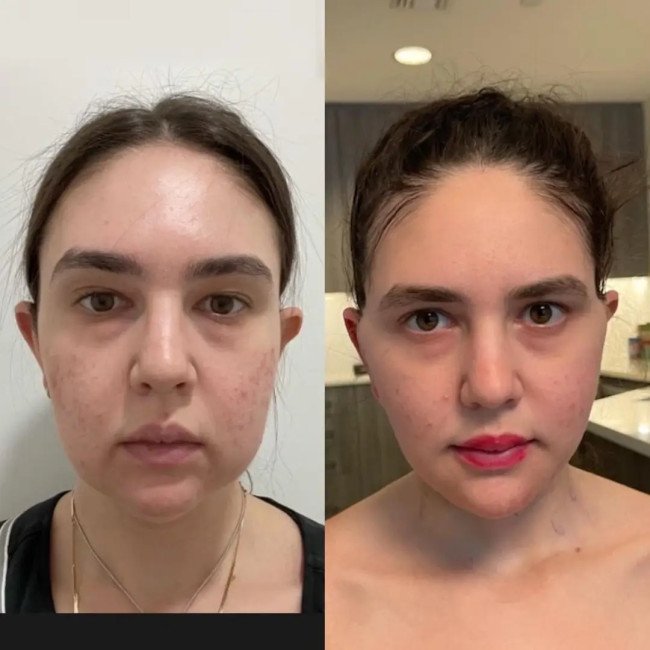
Choosing to undergo a cosmetic procedure is a personal decision that involves research, preparation, professional guidance, and realistic expectations. Buccal fat removal has become an increasingly discussed facial contouring treatment for individuals who want to reduce fullness in their lower cheeks and achieve a more defined facial appearance. However, understanding the complete treatment journey is just as important as knowing what happens during surgery.
From the initial consultation and facial assessment to the surgical procedure, recovery, and final results, every stage requires careful consideration. Patients should understand their facial anatomy, discuss their expectations with a qualified surgeon, and learn about the potential benefits and limitations before proceeding.
Dubai offers a variety of cosmetic surgery and aesthetic treatment options. Individuals researching Buccal fat removal Dubai should focus on finding appropriately qualified specialists, understanding available treatment approaches, and selecting a clinic that prioritizes medical safety and personalized care.
This comprehensive guide explores the complete buccal fat removal journey, including preparation, surgeon selection, treatment costs, recovery expectations, and frequently asked questions.
1. Understanding the Facial Contouring Journey with Buccal Fat Removal in Dubai
Buccal fat removal in Dubai is a cosmetic surgical procedure that reduces selected fat compartments located within the lower cheeks. These naturally occurring fat pads contribute to facial fullness and influence the overall appearance of the cheeks and jawline.
Some individuals naturally have prominent buccal fat pads, which can create a rounded facial appearance even when their body weight is within a healthy range.
The procedure involves making small incisions inside the mouth to access the buccal fat compartments. A surgeon carefully removes an appropriate amount of fat to create a more defined appearance while preserving natural facial proportions.
Why Do People Consider Buccal Fat Removal?
People explore this procedure for different aesthetic reasons, including:
-
Naturally rounded or fuller cheeks.
-
Limited definition around the cheekbones.
-
Persistent lower cheek fullness.
-
A preference for a more sculpted facial profile.
-
Facial fullness that remains despite maintaining a stable weight.
However, buccal fat removal is not appropriate for everyone. Facial anatomy, existing cheek volume, skin quality, age, and long-term aesthetic goals should all be considered before surgery.
Understanding the Treatment's Purpose
The primary objective is to reduce selected cheek fat rather than dramatically change the entire face. A carefully planned procedure should complement existing facial features and maintain a natural appearance.
Patients should understand that removing excessive fat can produce an overly hollow appearance, particularly as facial volume naturally decreases with age.
2. Starting Your Journey with an Initial Consultation and Facial Assessment
The first stage of the treatment journey is a detailed consultation with an appropriately qualified medical professional.
This appointment allows the surgeon to understand the patient's concerns, examine facial anatomy, review medical history, and determine whether buccal fat removal is suitable.
Discussing Personal Aesthetic Goals
Patients should clearly explain what they hope to achieve through the procedure.
For example, some individuals want to reduce lower cheek fullness, while others are interested in improving the visual definition between their cheekbones and jawline.
The surgeon should explain which changes may realistically be achieved and whether the proposed procedure is appropriate.
Reviewing Medical History
A complete medical history helps the surgeon identify potential risks and determine whether additional assessments are necessary.
Patients should disclose:
-
Existing medical conditions.
-
Previous facial cosmetic procedures.
-
Current medications and supplements.
-
Known allergies.
-
Previous surgical complications.
-
Smoking and alcohol habits.
Evaluating Facial Anatomy
The surgeon examines cheek volume, facial proportions, skin quality, and the location of the buccal fat pads.
This assessment is important because facial fullness may have several causes. Not every rounded face is associated with prominent buccal fat compartments.
Understanding Alternatives
If buccal fat removal is not suitable, the specialist may discuss other approaches to facial contouring or recommend no surgical treatment.
A professional consultation should prioritize patient suitability rather than automatically recommending surgery.
3. Finding the Best Buccal Fat Removal Doctors in Dubai for Your Treatment Journey
Selecting an experienced surgeon is one of the most important decisions when considering facial cosmetic surgery. The Best Buccal fat removal Doctors in dubai should be evaluated according to their professional qualifications, relevant surgical experience, understanding of facial anatomy, and commitment to patient safety.
Buccal fat removal requires precision because the amount of fat removed can influence facial appearance for many years.
Verify Medical Qualifications and Professional Licensing
Patients should confirm that the surgeon has appropriate medical qualifications, relevant specialist training, and authorization to perform the proposed procedure in Dubai.
It is also useful to ask about experience with facial cosmetic surgery and the specific surgical technique being recommended.
Examine Before-and-After Results
Before-and-after photographs can help patients understand a surgeon's aesthetic approach.
When reviewing photographs, consider:
-
Natural-looking facial contours.
-
Balanced cheek proportions.
-
Consistent photographic angles and lighting.
-
Results shown at appropriate healing stages.
-
Similarities between previous patients' facial structures and your own.
Photographs should be viewed as examples rather than guarantees of individual results.
Evaluate Communication and Patient Support
A good surgeon should explain the procedure in understandable language and answer questions about potential complications, recovery, and long-term outcomes.
Patients should also understand how postoperative consultations and medical support will be provided.
Prioritize Safety Over Popularity
Social media visibility, celebrity associations, and promotional offers should not be the main reasons for selecting a surgeon.
Professional credentials, surgical experience, appropriate facilities, and transparent communication are much more important.
4. Exploring the Best Plastic Surgeons in Dubai for Facial Aesthetic Procedures
Facial cosmetic surgery requires technical expertise and a detailed understanding of how different facial features work together. The Best Plastic surgeons in dubai should be assessed according to their professional qualifications, relevant experience, clinical standards, and ability to recommend individualized treatment plans.
A successful facial contouring approach should consider the entire face rather than focusing on one isolated feature.
Understanding the Importance of Facial Balance
The cheeks, chin, jawline, and cheekbones contribute to overall facial proportions.
A surgeon should assess how reducing buccal fat may influence these features and whether the procedure will complement the patient's natural structure.
Considering Alternative Facial Contouring Treatments
Some patients may achieve their desired appearance through alternatives rather than buccal fat removal.
Depending on individual anatomy, these may include:
-
Chin enhancement.
-
Jawline contouring.
-
Selected skin-tightening procedures.
-
Other medically appropriate facial treatments.
The surgeon should explain the potential benefits and limitations of each option.
Planning for Long-Term Results
Facial fat naturally decreases as people age. Therefore, conservative surgical planning is particularly important.
Removing too much fat may create an excessively hollow appearance later in life. Patients should discuss these long-term considerations before agreeing to treatment.
5. Preparing for Surgery: Important Steps Before the Procedure
Once the surgeon confirms that the patient is a suitable candidate, the next stage involves preparing for surgery.
Proper preparation helps patients understand what to expect and reduces avoidable complications.
Follow Preoperative Medical Instructions
Patients may need medical examinations or laboratory investigations before surgery, depending on their health and the surgeon's recommendations.
They should provide complete information about medications, supplements, allergies, and previous medical treatments.
Discuss Medication and Lifestyle Requirements
The surgeon may advise temporarily adjusting certain medications or supplements that can increase bleeding risks.
Patients should not independently discontinue prescribed medicines. Any changes should be approved by the treating medical professional.
Smoking and alcohol may interfere with healing, so patients should discuss appropriate restrictions before surgery.
Arrange Transportation and Recovery Support
Depending on the anaesthesia used, patients may need someone to accompany them home after surgery.
It is also useful to arrange time away from demanding activities and prepare suitable soft foods for the initial recovery period.
Set Realistic Expectations
Patients should understand that the final facial appearance will not be visible immediately.
Swelling is common after surgery, and the contours develop gradually as healing progresses.
6. What Happens During the Buccal Fat Removal Procedure?
Understanding the surgical process can make the treatment journey less stressful.
Anaesthesia and Preparation
Buccal fat removal is commonly performed using local anaesthesia, although the approach may vary according to the patient's needs and surgical plan.
The surgical area inside the mouth is cleaned and prepared before the procedure.
Accessing the Buccal Fat Compartments
The surgeon makes small incisions inside the cheeks to access the buccal fat pads.
An appropriate amount of fat is carefully removed according to individual facial anatomy.
Closing the Incisions
After the desired amount of fat has been removed, the incisions are generally closed using dissolvable sutures.
Because the incisions are located inside the mouth, external facial scars are generally not expected.
Immediate Postoperative Assessment
After surgery, the medical team provides instructions regarding medication, oral hygiene, diet, and recovery.
Patients should ask questions before leaving the clinic so they understand how to manage the initial healing period.
7. Understanding the Recovery Journey and Aftercare Requirements
Recovery is an important part of the overall treatment experience. Although the procedure is relatively small compared with some other cosmetic surgeries, patients still need adequate time to heal.
First 24 to 72 Hours
Initial recovery may involve swelling, tenderness, and mild discomfort around the cheeks.
Patients should:
-
Rest adequately.
-
Follow medication instructions.
-
Eat soft foods.
-
Maintain appropriate oral hygiene.
-
Avoid strenuous physical activities.
-
Follow the surgeon's recommendations for cold compresses.
First One to Two Weeks
Swelling generally begins to improve during this period, although some sensitivity may remain.
Patients should continue following dietary recommendations and avoid disturbing the surgical area.
The surgeon may arrange a follow-up appointment to monitor healing.
Following Several Weeks
Facial contours gradually become more noticeable as swelling decreases.
Patients should avoid judging the final outcome too early because healing continues after the initial recovery period.
Long-Term Healing
Final results may take several months to develop fully. The exact timeline varies according to individual anatomy, tissue response, and surgical technique.
Maintaining Proper Oral Hygiene
Because the incisions are inside the mouth, oral hygiene is particularly important.
Patients should follow their surgeon's instructions regarding brushing, rinsing, and recommended mouthwash products.
8. Understanding Buccal Fat Removal Cost in Dubai and Financial Planning
The financial aspect is another important part of the treatment journey. The Buccal fat removal Cost in Dubai can vary depending on the surgeon's experience, clinic facilities, anaesthesia requirements, surgical complexity, and postoperative services.
There is no single price that applies to every patient because treatment requirements can differ.
Surgeon's Professional Fees
A surgeon's qualifications, relevant experience, and expertise in facial cosmetic procedures may influence professional fees.
Clinic Facilities and Medical Equipment
The clinic's location, surgical facilities, medical equipment, and safety standards can contribute to the overall treatment price.
Anaesthesia Requirements
The type of anaesthesia and the involvement of an anaesthetist may influence the final quotation.
Preoperative and Postoperative Services
Medical examinations, laboratory investigations, follow-up consultations, and prescribed medications may be included in the treatment package or charged separately.
Questions to Ask Before Confirming the Price
Patients should request a detailed written quotation that explains whether the following are included:
-
Surgeon's professional fees.
-
Operating-room charges.
-
Anaesthesia expenses.
-
Preoperative investigations.
-
Postoperative consultations.
-
Prescribed medications.
-
Additional medical expenses, if applicable.
Comparing complete treatment packages is more useful than choosing a clinic based entirely on the lowest advertised price.
9. Understanding the Role of Perfect Doctors Clinic in Cosmetic Treatment Research
Individuals exploring facial aesthetic procedures in Dubai may come across Perfect Doctors Clinic while researching available treatment options.
When considering a buccal fat removal clinic in dubai, patients should independently verify the treating surgeon's professional qualifications, licensing, relevant surgical experience, clinical facilities, and postoperative support.
A comprehensive consultation should explain treatment suitability, expected results, surgical techniques, potential risks, and recovery requirements.
Some individuals also search for Best buccal fat removal surgeons in Dubai when comparing specialists. Online reviews and patient experiences can provide useful background information, but independently verified professional credentials should remain the priority.
Similarly, searches for dr perfect celebrity may introduce individuals to a clinic's public presence or promotional content. However, celebrity associations and online popularity should never replace a proper medical assessment.
The most appropriate specialist is one who understands facial anatomy, provides realistic advice, and recommends treatment according to the patient's individual needs.
10. Evaluating Results and Maintaining Long-Term Facial Balance
The final stage of the treatment journey involves evaluating the results and understanding how facial appearance may change over time.
Recognizing Gradual Improvements
Patients should remember that swelling can temporarily hide the changes created by surgery.
As healing progresses, the lower cheeks may appear less full, and facial contours may become more defined.
Understanding Individual Results
Results depend on several factors, including:
-
Natural facial anatomy.
-
Amount of fat removed.
-
Skin elasticity.
-
Existing cheek volume.
-
Healing response.
-
Surgical technique.
Not everyone will experience the same degree of facial change.
Considering Natural Ageing
Facial volume changes naturally with age. Patients should understand that buccal fat removal is generally permanent and that future ageing may influence the appearance of the cheeks.
Maintaining Healthy Lifestyle Habits
A balanced diet, stable body weight, adequate hydration, and an appropriate skincare routine support general health and long-term facial wellness.
Patients should maintain realistic expectations and appreciate results that complement their natural features.
11. Frequently Asked Questions About the Buccal Fat Removal Journey
1. How long does the complete buccal fat removal journey take?
The timeline includes consultation, preoperative preparation, surgery, and recovery. Initial recovery generally takes around one to two weeks, while final results may take several months to develop.
2. Is buccal fat removal suitable for everyone?
No. Patients with naturally narrow faces, limited cheek volume, or significant facial volume loss may not be suitable candidates. A professional assessment is necessary.
3. Is the procedure performed under local anaesthesia?
It is commonly performed under local anaesthesia, although the approach may vary depending on the patient's circumstances and surgical plan.
4. Are there visible scars after surgery?
The incisions are generally made inside the mouth, so visible external facial scars are not usually expected.
5. When can I return to normal activities?
Many patients can resume non-strenuous daily activities within several days, depending on swelling and recovery. Strenuous activities should only resume with the surgeon's approval.
6. When will I see the final results?
Some improvements may become noticeable within several weeks, but complete healing and final results can take several months.
7. Is buccal fat removal permanent?
The removed fat does not normally grow back. However, natural ageing and weight changes can influence facial appearance.
8. What foods should I eat after surgery?
Soft foods such as yogurt, mashed potatoes, smooth soups, and scrambled eggs are generally suitable during the initial recovery period. Follow your surgeon's dietary instructions.
9. What complications should I watch for?
Possible complications include infection, bleeding, persistent swelling, discomfort, asymmetry, and injury to nearby structures. Increasing pain, fever, unusual discharge, or worsening swelling should be reported to the surgeon.
10. How do I choose the right surgeon in Dubai?
Verify medical qualifications, professional licensing, relevant surgical experience, clinical facilities, and postoperative support. Arrange a consultation to discuss your expectations and potential risks.
Conclusion
The buccal fat removal journey involves several important stages, beginning with research and consultation and continuing through surgery, recovery, and long-term result evaluation.
Choosing an appropriately qualified surgeon, understanding facial anatomy, preparing properly, and following postoperative instructions are essential for a responsible treatment experience.
Dubai offers a variety of cosmetic surgery options, but patients should prioritize professional qualifications, surgical expertise, clinical safety, and personalized medical guidance rather than relying solely on promotional claims or treatment prices.
Final Thoughts
Buccal fat removal is a personal aesthetic decision that should be approached with careful research and realistic expectations. Understanding every stage of the treatment journey can help patients feel more prepared and make informed choices.
The most appropriate results are those that complement natural facial proportions rather than dramatically change individual features. A qualified surgeon, a personalized treatment plan, and responsible aftercare are essential considerations when exploring this procedure.










Comments
0 comment