
Ashtanga Yoga Teacher Training: A Complete Guide for Beginners
Yoga is more than a physical exercise. It is a traditional practice that helps people develop strength, flexibility, discipline, and mental awareness.

Ashtanga Yoga Teacher Training: A Complete Guide for Beginners
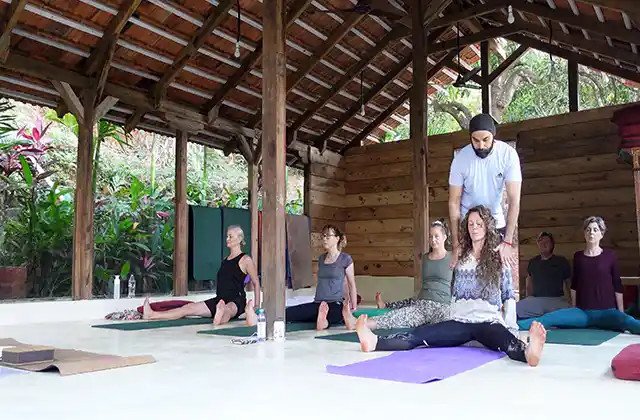
Ashtanga Yoga Teacher Training: A Complete Guide for Beginners
Yoga is more than a physical exercise. It is a traditional practice that helps people develop strength, flexibility, discipline, and mental awareness. Among the different styles of yoga, Ashtanga Yoga is known for its structured approach, flowing movements, and connection between breath and body. It is a popular choice for people who want to deepen their yoga practice and understand its traditional foundations.
For anyone interested in learning yoga professionally or improving their personal practice, understanding Ashtanga Yoga and its training methods can be a valuable first step.
What Is Ashtanga Yoga?
Ashtanga Yoga is a traditional style of yoga that follows a specific sequence of postures performed in a continuous flow. The practice connects breathing techniques, physical movements, and focused attention.
The word Ashtanga means eight limbs. These eight limbs come from the Yoga Sutras of Patanjali and describe a path towards self-discipline, awareness, and personal development.
The eight limbs include:
-
Yama – Ethical principles and social discipline.
-
Niyama – Personal habits and self-discipline.
-
Asana – Physical yoga postures.
-
Pranayama – Breathing techniques.
-
Pratyahara – Withdrawal of the senses.
-
Dharana – Concentration.
-
Dhyana – Meditation.
-
Samadhi – A state of deep awareness.
These principles show that yoga is not limited to physical movements. It also involves mental focus, lifestyle practices, and self-understanding.
How Does Ashtanga Yoga Work?
Ashtanga Yoga follows a systematic approach in which postures are practised in a particular order. Each movement is coordinated with breathing, helping practitioners maintain rhythm and concentration.
One important breathing technique used in this practice is Ujjayi breathing. It involves controlled breathing that supports concentration during the sequence.
The practice generally includes:
-
Sun Salutations to warm up the body.
-
Standing postures to develop balance and strength.
-
Seated postures to improve flexibility.
-
Backbends and other challenging movements according to ability.
-
Closing postures to relax and complete the practice.
Beginners should learn the movements gradually and avoid forcing their bodies into difficult positions.
Why Choose Ashtanga Yoga Teacher Training?
People choose yoga teacher training for different reasons. Some want to become professional yoga instructors, while others want to understand yoga beyond regular classes.
A structured training programme can help students develop a stronger foundation in yoga philosophy, anatomy, breathing, alignment, and teaching methods.
Here are some important benefits:
1. Develop a Consistent Practice
Regular training encourages discipline and helps students understand the importance of maintaining a balanced yoga routine.
2. Improve Physical Awareness
Practising different postures helps students understand body alignment, balance, strength, and flexibility.
3. Understand Yoga Philosophy
Students learn about traditional yoga principles and how these teachings can be applied to everyday life.
4. Learn Teaching Skills
Teacher training introduces students to class planning, posture demonstrations, verbal instructions, and safe teaching practices.
5. Build Mental Focus
Breathing exercises and meditation can support concentration and encourage a more mindful approach to daily activities.
What Do You Learn During Ashtanga Yoga Training?
A comprehensive yoga teacher training programme usually covers several subjects to provide students with a balanced understanding of yoga.
Yoga Asanas and Alignment
Students learn different postures, their correct alignment, modifications, and the importance of practising according to individual ability.
Pranayama and Meditation
Breathing exercises and meditation help students develop awareness and understand the relationship between breath and mind.
Yoga Anatomy
Basic anatomy helps students understand muscles, joints, movement patterns, and how to guide students safely during yoga sessions.
Yoga Philosophy
Traditional yoga teachings introduce students to the history, principles, and deeper meaning of yoga.
Teaching Methodology
Students learn how to structure classes, communicate instructions, demonstrate postures, and support different learning levels.
Practical Teaching Sessions
Teaching practice helps students gain confidence and prepare for guiding future yoga classes.
Who Can Join an Ashtanga Yoga Training Programme?
Yoga teacher training is suitable for people with different backgrounds and levels of experience. You do not necessarily need to be an advanced yoga practitioner to begin learning.
It may be suitable for:
-
Beginners interested in understanding yoga.
-
Regular yoga practitioners who want to improve their knowledge.
-
Fitness enthusiasts looking for a structured yoga practice.
-
People interested in becoming certified yoga teachers.
-
Individuals seeking personal growth and a deeper understanding of yoga.
However, students should check the programme's entry requirements and choose a course that matches their experience and physical abilities.
Why Consider Yoga Teacher Training in India?
India has a long history of yoga and is an important destination for people interested in learning traditional yoga practices. Students from different countries visit India to explore yoga philosophy, meditation, breathing techniques, and practical training.
Learning in a dedicated yoga environment can provide opportunities to develop a regular routine, interact with experienced teachers, and connect with other students who share similar interests.
Before selecting a programme, consider its curriculum, teaching experience, practical sessions, accommodation facilities, and certification details.
How to Prepare for Your Yoga Training Journey
A little preparation can make your training experience more comfortable and productive.
Start by developing a simple daily routine that includes gentle stretching, breathing exercises, and relaxation. Wear comfortable clothing that allows free movement and keep yourself hydrated.
It is also helpful to learn basic yoga terminology and understand the importance of listening to your body. Do not compare your progress with other students because everyone develops at a different pace.
Most importantly, approach the learning process with patience, curiosity, and consistency.
Explore a 200-Hour Yoga Teacher Training Programme
If you want to explore a structured yoga learning experience, Yoga Chaitanya offers a programme combining Ashtanga, Vinyasa, and Yin Yoga.
You can learn more about its 200-hour Ashtanga Vinyasa Yin Yoga Teacher Training programme, including its course structure and training details, here:
This programme can be worth exploring for students interested in lea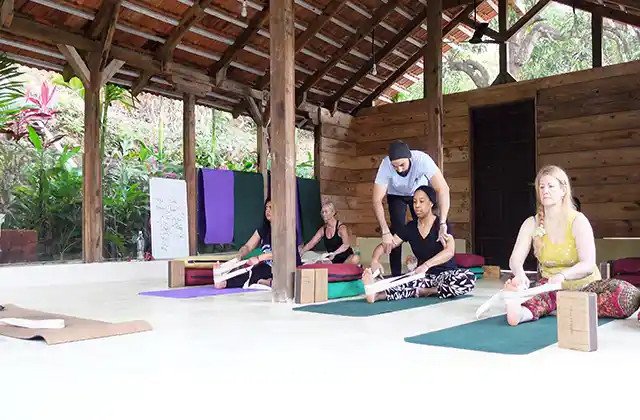 rning different yoga approaches and developing their personal practice.
Final Thoughts
Ashtanga Yoga offers a structured way to explore physical movement, breathing, concentration, and traditional yoga philosophy. Whether your goal is to become a yoga teacher or improve your personal practice, proper training can help you build knowledge and confidence.
Take time to research different programmes, understand their teaching methods, and choose a learning environment that supports your goals. A consistent and patient approach can make your yoga journey more meaningful.
Stay Connected with Yoga Chaitanya
Discover more yoga inspiration, learning resources, and updates through these platforms:










Comments
0 comment