
What Should You Know Before Booking a Skin Check & Skin Malignancy Check?
Learn what to expect before booking a skin check or skin malignancy check, including risk factors, skin cancer detection and when to seek advice.

Australia gets much more sun exposure than many other parts of the world. Sometimes this is beneficial, but other times it has negative effects. One of the negative effects is it causes skin cancer. Research shows that UV exposure is a major contributor to skin cancer. If someone is constantly exposed to the sun, it is important to get a skin check done and keep skin cancer as far away as possible.
Some people already understand the importance of skin checks, so they book appointments and are also getting positive results from it. At the same time, a skin malignancy check is also important. Both checks are for the skin, but they differ depending on the situation. This guide shares a few insights about the skin check and skin malignancy check.
What Happens During a Skin Check?
Skin check is a basic process; you don’t have to worry about any needles or equipment. You just have to book your appointment and be there on time. As your turn comes, the doctor asks you a few questions and may use a dermatoscope to get a closer look at sun-damaged areas; after the initial checks, the doctor can decide on the next steps.
It is a routine check-up that helps you understand what is happening in your skin. It helps you identify exactly which areas of your skin need attention. The regular checkups help your skin look more radiant and can gradually help with the fading of sunspots.
Who Should Consider Skin Malignancy Check?
There are no clear instructions on who must have a skin malignancy check. However, current guidelines suggest this check is not recommended for people at average or below-average risk. If someone is above-average risk, then the opportunistic skin examination may be recommended.
The causes of skin cancer can be influenced by factors such as family history, significant UV exposure and having numerous moles. If you notice anything unusual, it's best to get a consultation immediately. According to the situation addressing issues in initial days helps with the better cure and recovery.
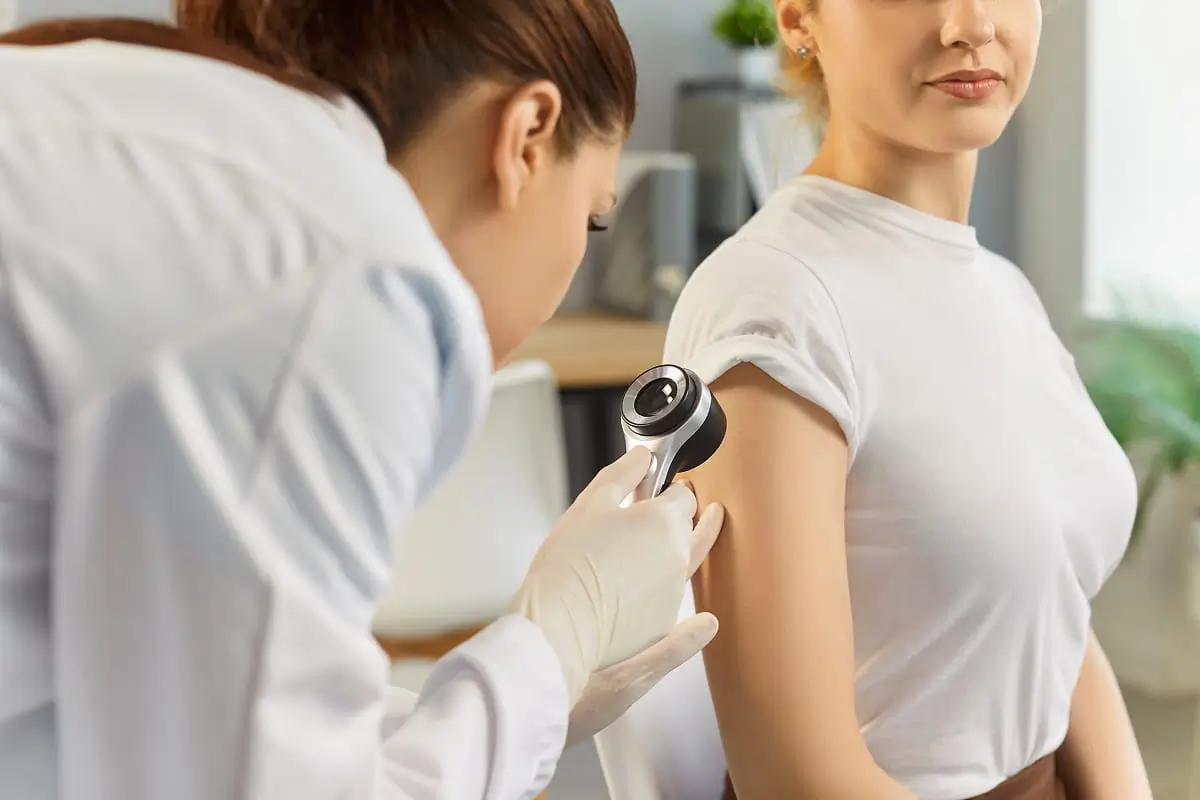
Can a Skin Check Help in Detecting Different Types of Skin Cancer?
A skin check can help identify changes that may lead to skin cancer. The three main types are melanoma, basal cell carcinoma and squamous cell carcinoma. While looking in the mirror if you find some uncertain things then there is no need to get panicked. You just have to go for the skin check and let the doctor assess the situation and accordingly you have to make decision.
How Often Should You Check Your Skin?
There isn’t a clear answer for everyone. Everyone has different skin, family history, and UV exposure, so there is no one-size-fits-all schedule. However, you can get it done once, and based on your dermatologist's recommendation, schedule it in the future. Making decisions without any information can lead to unnecessary checkups and can also affect you financially!
What Should you Do If You Notice Something Unusual?
You may have had a skin check recently, but then a new spot appears. During that time, you don’t have to wait for the next appointment. Grab your phone and book the earliest available appointment. Because you don’t know what that spot is, it could be normal, but it could also be something else. That's why addressing the issue early helps you stay safe.
Final thoughts
Every skin type has different concerns. So, the one definition of skin check won’t work for everyone. However, it can be a smart decision to get a check and ensure proper protection. On the other hand, a skin malignancy check is crucial if you have certain issues or a family history. The point of checkups is that if something is happening under the surface, regular checkups help you find the issue and address and treat it as early as possible.














Comments
0 comment