
Sourdough Bread Maker Guide to Choosing the Best Proofing Basket for Perfect Bread
I bought a sourdough bread maker thinking it would basically do the work for me. It didn't. Not really. It took out a chunk of the guesswork of mixing and kneading, which is useful.

I've been baking sourdough on and off for about six years now, and I'll be honest, the first two years I did everything wrong. I bought a sourdough bread maker thinking it would basically do the work for me. It didn't. Not really. It took out a chunk of the guesswork of mixing and kneading, which is useful. But nobody said the basket you proof your dough in mattered almost as much as the machine itself. Let's talk about both, since they go hand in hand much better than most articles do.
What Is A Sourdough Bread Maker, Really
A sourdough bread maker isn't magic, and it's not a machine that "makes sourdough" out of thin air either — you still need a starter, still need to feed it, still need patience. What the machine actually does is handle the mixing and sometimes the first knead, and a lot of the newer models even have a dedicated sourdough or "dough" setting that lets the fermentation happen at a controlled temp. That part's genuinely helpful, especially if your kitchen runs cold in winter like mine does. But once that dough comes out of the machine, you're on your own for shaping and proofing. That's where things get interesting.
Why A Proofing Basket Matters More Than You Think
People skip this step, or they just use a bowl lined with a towel, which, look, it works in a pinch. But a proper proofing basket — sometimes called a banneton, sometimes a brotform, doesn't matter what you call it — gives your dough structure while it does its final rise. Without one, wet sourdough dough just spreads out flat instead of holding a nice round or oval shape. I learned this the hard way with a loaf that came out looking more like a pancake than bread. The basket isn't decoration. It's doing real structural work.
How A Sourdough Bread Maker Changes Your Routine
Once you get used to using a sourdough bread maker, your whole rhythm shifts. You're not standing there kneading for fifteen minutes anymore, your hands aren't a mess of sticky dough, and honestly you start baking more often because the barrier to entry drops. I went from baking once every couple weeks to almost twice a week. That's not nothing. But more frequent baking means you need gear that holds up, and a flimsy basket that warps or molds after a month isn't going to cut it.
Choosing The Best Proofing Basket For Your Loaves
This is where most guides get vague, so let me be specific. The best proofing basket for you depends on loaf shape mostly. Round baskets, sometimes called bannetons, work for boules. Oval ones, often called brotforms, suit batards better. Size matters too — an 8 or 9 inch basket handles most home-sized loaves, roughly 500 to 800 grams of dough. Go bigger if you're baking for a family or you like a bigger crumb. I made the mistake early on of buying a basket way too small and ended up with dough overflowing the rim, which is annoying and messy.
Rattan vs Wood Pulp Baskets - Which Wins
There's genuine debate here and I don't think there's one right answer. Rattan baskets are the classic choice, they're natural cane, they breathe well, and they leave those pretty spiral or ridged patterns on your crust that look impressive on Instagram, not gonna lie that's part of the appeal. Wood pulp baskets, on the other hand, are a bit more forgiving for beginners because they're less prone to sticking and they're dishwasher safe in some cases, rattan usually isn't. I use rattan for my everyday loaves and keep a wood pulp one for when I'm feeling lazy about cleanup.
Common Mistakes People Make With Proofing Baskets
The biggest one, by far, is not flouring the basket enough before you put the dough in. Rice flour works best here because it's more resistant to moisture than regular wheat flour, so your dough won't stick and tear the surface when you flip it out. Another mistake is buying a basket that's the wrong shape for the recipe you're following, then wondering why the loaf came out weird. And a smaller mistake, but one I made constantly, is not letting a new rattan basket cure properly before first use. It needs a light coating of flour worked into the fibers or dough sticks like crazy the first few times.
Caring For Your Basket So It Lasts Years
You don't wash a rattan proofing basket with soap and water, not really, that ruins the natural coating that keeps dough from sticking. Instead you just knock out excess flour, let it air dry completely, and occasionally give it a light brushing. Mine has lasted five years doing this. Wood pulp baskets are more forgiving and some can handle a rinse, but check the manufacturer notes because it varies. Either way, moisture is the enemy — mold shows up fast if you store a damp basket in a cupboard, learned that the smelly way.
Sourdough Bread Maker Vs Traditional Hand Kneading
I get asked this constantly by people looking to buy their first sourdough bread maker. Hand kneading gives you more control and honestly a better feel for your dough's development, there's something to be said for that tactile knowledge. But a machine is consistent, it's faster, and it's a lot easier on your wrists if you've got any joint issues, which a surprising number of home bakers do. I'd say if you're baking daily or close to it, the machine earns its keep quickly. If you bake once a month for fun, hand kneading might actually be more satisfying.
Tips For Better Rise And Crust Every Time
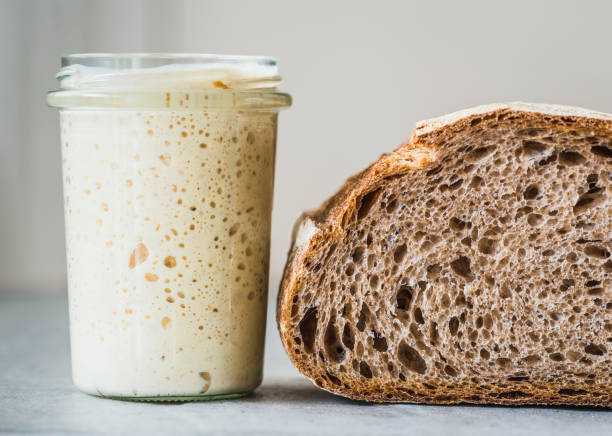
A few things that took me way too long to figure out. First, your starter needs to be properly active, bubbly, doubled in size, before you even start — a sluggish starter ruins everything downstream no matter how good your machine or basket is. Second, cold retard your dough overnight in the fridge, still in the proofing basket, it deepens the flavor and makes scoring easier the next morning. Third, preheat your baking vessel, whether that's a dutch oven or a baking stone, the oven spring you get from a hot start is night and day different.
Final Thoughts Before You Buy
If you're shopping right now, don't just grab the cheapest sourdough bread maker and the cheapest basket bundle you find online. Read the specs, check the dough capacity of the machine matches what you'll realistically bake, and pick a proofing basket sized to match your usual loaf weight. Spending a little more upfront on a basket that holds its shape and a machine with a real sourdough setting saves you money and frustration down the line, trust me on this one.
Conclusion
At the end of the day a sourdough bread maker takes care of the hard physical labor, and a good proofing basket takes care of the shape and structure that makes your loaf actually look like proper sourdough. Neither one replaces the other, and honestly neither one replaces good technique either. But together they make the whole process a lot less intimidating for anyone starting out. I wish someone had told me all this back when I started instead of me figuring it out loaf by lopsided loaf.
FAQs
Do I need a proofing basket if I already own a sourdough bread maker?
Yes, most machines handle mixing and sometimes the first rise, but the final proof still needs a basket to hold the dough's shape before baking.
What's the best proofing basket size for a beginner?
An 8 to 9 inch round basket suits most standard home loaves and is the safest starting point if you're unsure.
Can I use a sourdough bread maker without a starter?
Not really, sourdough relies on the wild yeast and bacteria in your starter, the machine can't replace that fermentation process.
How do I stop dough sticking to my proofing basket?
Dust it generously with rice flour before each use, and let a new rattan basket cure with flour a few times first.
Is rattan or wood pulp better for a proofing basket?
Rattan gives you those classic ridged patterns and breathes well, wood pulp is easier to clean and more beginner friendly, it really comes down to preference.













Comments
0 comment