
Pavers in Sydney: What to Consider Before Choosing Outdoor Paving
Explore pavers in Sydney and compare natural stone and concrete options. Learn about material selection, installation and outdoor paving maintenance.

Choosing the right pavers in Sydney can improve the look of any outdoor space. Patios, pathways, and driveways need materials that suit their daily use. The right paving should also handle changing weather and regular foot traffic. Stone, concrete and porcelain offer different finishes, colours and care needs. This guide explains how to compare materials, plan installation, and maintain paved areas.
Which Paving Material Works Best for Outdoor Areas?
Outdoor paving comes in several materials, each with its own practical benefits. Natural stone offers varied textures and colours that suit many landscape designs. Bluestone and granite are popular choices for patios, paths and pool surrounds. Their strength and appearance make them suitable for many outdoor projects.
Concrete paving offers another option for homeowners planning functional and attractive outdoor spaces. It is offered in different sizes, finishes, and colours to match surrounding features. However, the right material depends on the location and expected daily use.
Here are some of the points you should consider before choosing your paving material:
- Surface finish: Textured surfaces can provide better grip in wet conditions.
- Thickness: Driveways need paving designed to support vehicle weight.
- Colour: Dark surfaces may become warmer under direct sunlight.
- Maintenance: Some materials need sealing to reduce stains and moisture damage.
- Budget: Compare material prices alongside installation and ongoing maintenance costs.
Requesting samples helps you compare colours and textures before placing an order.
How Do Concrete Pavers Compare for Melbourne Homes?
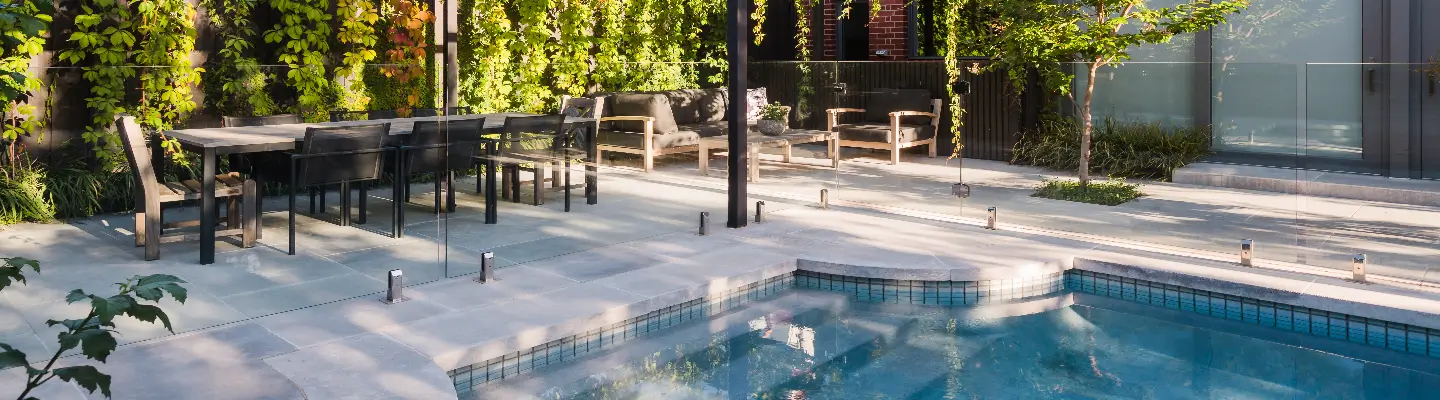
Concrete pavers in Melbourne are often used for patios, courtyards, and garden paths. They provide a consistent appearance and come in various shapes and sizes. Some designs also offer textured finishes suited to wet outdoor areas. Their uniform dimensions can help create neat patterns across larger spaces.
Before installation, prepare the ground to support the paving properly. Poor drainage or an uneven base may cause movement and surface damage. A suitable foundation helps the paving remain stable during regular use.
Homeowners should also consider these installation requirements:
- Prepare a firm base suited to the expected loads.
- Allow enough space for joints between individual pavers.
- Provide suitable drainage to prevent water from collecting on surfaces.
- Use proper edge restraints to keep paving securely positioned.
Professional installation is worth considering driveways and areas with difficult ground conditions.
How Can You Keep Outdoor Paving in Good Condition?
Routine cleaning helps paved surfaces retain their appearance for many years. Remove fallen leaves, soil, and debris before they collect between joints. Wash surfaces using cleaning products suitable for the selected paving material.
Some natural stone products may need sealing to reduce moisture absorption. Concrete paving may also benefit from suitable protection against common stains. Always check the manufacturer's care advice before using strong cleaning products.
Inspect paved areas for loose joints, cracks or uneven sections after heavy rain. Address small problems early to prevent further movement or costly repairs.
Well-planned paving can improve outdoor spaces while keeping maintenance needs manageable. Compare materials, check installation requirements and choose finishes suited to your property.












Comments
0 comment