
How Do Insect O Cutors Improve Hygiene in Commercial Food Businesses?
Insect O Cutors

Insect O Cutors help commercial food businesses control flying insects before they become a hygiene problem. By attracting and containing flies, moths, and other pests, these units can support cleaner food preparation areas, reduce contamination risks, and help businesses maintain better sanitation standards every day.
Why Flying Insects Are a Hygiene Problem in Food Businesses
In a commercial food business, hygiene is not something you can take casually. Restaurants, bakeries, cafés, food factories, supermarkets, and catering kitchens all deal with food being prepared, stored, moved, or served. That makes these environments attractive to flying insects, especially when food smells and waste are present. A few insects may not seem like a big deal, but they can quickly become one.
Flies and other flying pests can land on waste, drains, dirty surfaces, and other contaminated areas before moving onto food preparation surfaces. That creates an obvious hygiene concern. Even when a business has good cleaning procedures, uncontrolled flying insects can work against those efforts. This is where Insect O Cutors can become a practical part of a wider pest management and hygiene strategy.
How Insect O Cutors Help Control Flying Pests
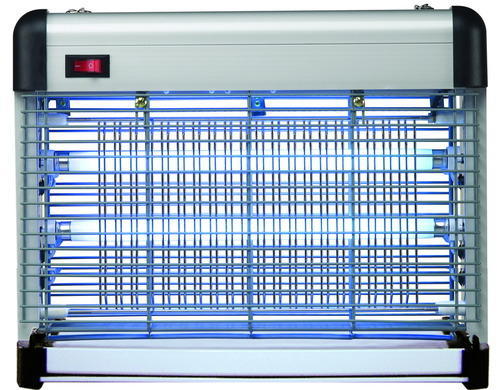
Insect O Cutors are designed to attract flying insects toward the unit, where they are then captured or controlled depending on the type of unit being used. The basic idea is pretty simple. Instead of allowing insects to move freely around a kitchen or food preparation area, the unit gives them a controlled point to move toward.
This can make a noticeable difference in busy commercial environments. Food businesses cannot always keep doors closed, especially during deliveries, customer service, or waste removal. Windows and ventilation areas can also provide entry points. An insect control unit provides another layer of protection when those everyday activities make complete exclusion difficult.

Reducing the Risk of Food Contamination
One of the biggest reasons insect control matters is contamination. Flying insects can carry microorganisms from one surface to another as they move around. If a fly lands on waste and later reaches an exposed ingredient, preparation bench, utensil, or finished food, there is a potential hygiene issue.
Insect O Cutors can help reduce this risk by lowering the number of flying insects moving around the premises. They do not replace cleaning, food handling procedures, or proper waste management. They simply support those systems. Think of them as one part of the overall defence rather than some magic solution that fixes every pest problem.
Supporting Cleaner Food Preparation Areas
A clean kitchen can still have an insect problem. That is something food business owners sometimes overlook. Staff may clean floors, disinfect benches, wash equipment, and remove rubbish properly, yet insects can still enter through doors or other openings.
This is why commercial insect control needs to work alongside normal cleaning routines. Insect O Cutors can help keep flying pest activity under control while staff focus on food preparation and sanitation. When insect numbers are kept lower, there are fewer pests flying around ingredients, equipment, walls, and work surfaces. It makes maintaining a clean environment more realistic.
Why Commercial Kitchens Need Continuous Insect Control
Commercial kitchens are busy for long hours. Doors open and close constantly. Deliveries arrive. Customers come and go. Food is cooked throughout the day, producing smells and heat that can attract insects. Waste bins are also frequently used, even when they are managed correctly.
Because of this, pest control cannot always be treated as an occasional task. A unit that operates continuously can provide ongoing monitoring and control of flying insects. This is particularly useful during warmer periods when insect activity tends to increase. Nobody wants to discover a sudden fly problem in the middle of a busy lunch or dinner service.
Placement Makes a Big Difference
Simply installing an insect control unit somewhere in the building does not guarantee good results. Placement matters. Units should generally be positioned where they can attract flying insects without creating unnecessary risks around food handling areas.
They also need to be accessible for inspection and maintenance. If a unit is hidden behind equipment or placed somewhere difficult to reach, staff may overlook it. That can lead to reduced performance and poor maintenance. In food businesses, pest control equipment should be planned as part of the premises rather than added as an afterthought.
Insect Control and Food Safety Procedures Should Work Together
Good hygiene is built from several small habits repeated every day. Staff need to wash their hands, clean equipment, store ingredients correctly, remove waste, manage spills, and follow food safety procedures. Pest control fits into that same system.
Insect O Cutors can support these procedures by helping control one of the common problems commercial food businesses face. But they cannot compensate for poor housekeeping. If food waste is left around, bins are overflowing, drains are dirty, or doors are constantly left open, insects will still have reasons to enter and stay. The equipment works best when the basics are already being handled properly.
Helping Businesses Maintain Professional Standards
Customers notice hygiene problems quickly. A single fly around a dining area can make someone question the cleanliness of the entire business. Fair or not, that is how people react. They are not going to inspect your cleaning schedule before deciding whether they feel comfortable eating there.
For restaurants, cafés, bakeries, and other food businesses, visible pest activity can damage customer confidence. Effective insect control helps reduce the chance of that happening. Keeping flying insects under control is not only about meeting hygiene expectations. It is also about maintaining the impression that the business is clean, organised, and serious about food safety.
Reducing Pressure During Busy Seasons
Insect activity often becomes more difficult during warmer months. Higher temperatures can increase insect activity, while open doors and windows may create more opportunities for pests to enter. Commercial food businesses can feel this pressure more than ordinary homes because there are usually more food sources and more activity happening throughout the day.
Planning insect control before pest numbers increase is generally smarter than waiting for a visible infestation. Insect O Cutors can be included in a preventative approach, helping businesses monitor and control flying pests before the situation becomes disruptive. It is much easier to manage a small problem than to deal with a swarm of insects during operating hours.
Maintenance Is Just as Important as Installation
An insect control unit needs regular attention. Depending on the equipment, this may include cleaning the unit, checking components, replacing consumable parts, and making sure the device continues to operate correctly. A neglected unit may not provide the level of control the business expects.
Commercial operators should also follow the manufacturer's maintenance recommendations. Staff should know who is responsible for checking the equipment and what signs may indicate a problem. It sounds obvious, but equipment often gets ignored once it has been installed. Regular checks keep the system working and help identify issues before they become bigger problems.
Choosing the Right Insect Control Solution
Not every food business has the same layout or pest pressure. A small café has different requirements from a large food processing facility. A restaurant with an open kitchen may also need a different approach from a warehouse where food products are stored.
The type, number, and placement of insect control units should therefore be considered carefully. Businesses should look at the size of the premises, likely insect entry points, food preparation areas, customer areas, storage rooms, waste areas, and existing pest activity. Getting the setup right from the beginning can save plenty of frustration later.
Insect Control Is Part of Preventative Hygiene
There is a difference between reacting to pests and preventing them. If a business waits until customers start seeing flies, the problem has already become noticeable. Preventative pest management takes a different approach. It looks for potential entry points, food sources, waste issues, moisture problems, and other conditions that could encourage insects.
Insect O Cutors can form part of that preventative approach. They provide an ongoing method of controlling flying insects while other hygiene measures deal with the causes that attract pests. It is not complicated, really. Keep the premises clean, manage waste properly, limit entry points, and use suitable pest control equipment where it makes sense.
How Insect O Cutors Benefit Different Food Businesses
Restaurants can use insect control equipment to help protect kitchens, preparation areas, dining spaces, and storage zones. Bakeries and cafés may benefit because food aromas can attract flying insects throughout the day. Food manufacturers have even more reason to control pests because large-scale production and storage can create serious contamination concerns.
Supermarkets, food warehouses, hotels, schools, and catering operations also face similar challenges. The details vary, but the basic issue remains the same. Flying insects should not be allowed to move freely around food-related environments. A properly selected and maintained insect control system can help businesses stay ahead of the problem.
What Businesses Should Not Expect From Insect O Cutors
It is worth being realistic. Insect O Cutors are not a substitute for proper pest management. If a building has a serious infestation, installing one unit and forgetting about the problem is unlikely to solve it. The source of the infestation still needs to be identified and addressed.
Likewise, poor sanitation can continue attracting insects even when control equipment is installed. Food businesses need a complete approach that includes cleaning, waste handling, food storage, structural maintenance, staff practices, and pest monitoring. The equipment helps. It is not the whole answer.
Conclusion
Commercial food businesses have enough hygiene challenges without allowing flying insects to add another one. Insect O Cutors can help reduce flying pest activity, support cleaner preparation areas, and strengthen a business's overall hygiene and pest management programme. The key is using them properly alongside cleaning, waste control, food safety practices, and regular maintenance. When those measures work together, businesses have a much better chance of keeping unwanted insects away from the food and the people who depend on its safety.














Comments
0 comment