
Watches for Men: A Complete Guide to Choosing the Right Watch
Explore this complete guide to watches for men and learn how to choose the right style, size, movement, materials, strap, features, and water resistance.

Choosing the right watch can be more difficult than it first appears. With so many designs, movements, sizes, materials, and features available, it is easy to feel unsure about which option suits you best. The right watch should match your personal style, daily routine, wrist size, and the occasions where you plan to wear it.
Whether you prefer a classic dress watch, a practical everyday model, a sports watch, or a modern automatic timepiece, understanding the main features can make your decision easier. This guide explains what to consider when choosing watches for men.
Why Are Watches Important for Men?
A watch is more than a device for telling time. It can become an important part of your overall appearance.
A well-chosen watch can complement your clothing and add a polished finishing touch to an outfit. Some men prefer watches that look subtle and elegant, while others enjoy larger cases, detailed dials, or sporty designs.
Your choice can also reflect your lifestyle. Someone working in a formal office may prefer a simple dress watch, while someone with an active lifestyle may need a durable sports or dive watch.
What Types of Watches for Men Are Available?
There are several major watch categories to consider.
Dress Watches
Dress watches usually have clean dials, slim cases, and elegant designs. They work particularly well with suits, formal shirts, and business clothing.
A simple dial and leather strap can create a traditional and sophisticated appearance.
Casual Watches
Casual watches are designed for everyday use. They often combine practical features with versatile styling.
You can wear them with jeans, chinos, polo shirts, or casual business clothing.
Sports Watches
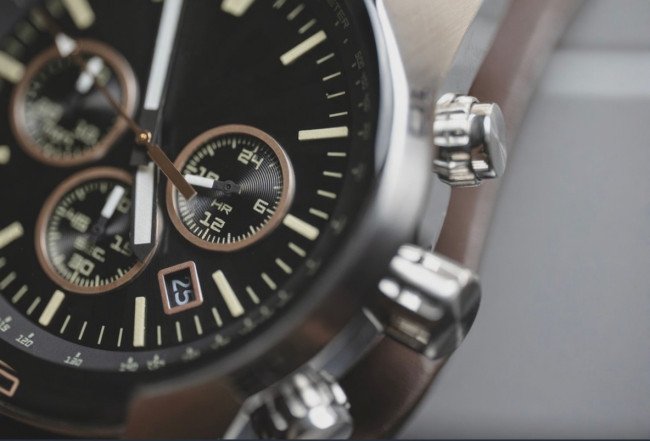
Sports watches generally have durable construction and practical features. They may include chronographs, rotating bezels, luminous hands, or enhanced water resistance.
These watches can be suitable for outdoor activities and active lifestyles.
Dive Watches
Dive watches are designed around water use and typically feature strong water resistance, a readable dial, and a rotating bezel.
If you regularly swim or participate in water activities, check the actual water-resistance rating rather than choosing a watch based only on its appearance.
Field Watches
Field watches traditionally focus on readability, simplicity, and durability. Their straightforward appearance makes them useful for casual and outdoor settings.
Luxury Watches
Luxury watches can combine premium materials, detailed finishing, mechanical movements, and distinctive designs. They can also become collectible pieces depending on the brand and model.
Should You Choose Quartz or Automatic?
The movement is one of the most important decisions when buying a watch.
Quartz Watches
Quartz watches use a battery-powered movement and are known for convenient everyday use. They generally require less interaction from the wearer than mechanical watches.
If you want a straightforward watch that is easy to maintain, quartz can be a practical choice.
Automatic Watches
Automatic watches use a mechanical movement that winds itself through the movement of the wearer's wrist. They do not normally require a conventional battery.
Automatic watches appeal to people who appreciate traditional watchmaking and mechanical engineering.
For example, current automatic models from Tissot include movements with an advertised power reserve of up to 80 hours, showing how modern mechanical watches can combine traditional movement technology with extended running time.
Mechanical Hand-Wound Watches
Hand-wound watches require the wearer to wind the movement manually. They offer another traditional mechanical experience and can appeal to watch enthusiasts who enjoy interacting with their timepiece.
How Do You Choose the Right Watch Size?
Size is an important part of finding a comfortable watch.
Case diameter is normally measured in millimeters. However, diameter is not the only measurement that matters. Case thickness, lug-to-lug length, and strap width can also affect how a watch looks and feels.
A very large watch can look overwhelming on a smaller wrist, while a very small watch may appear less noticeable on a larger wrist.
Instead of following a strict size rule, consider your wrist proportions and personal preference.
What Case Material Should You Choose?
Watch cases are available in different materials.
Stainless Steel
Stainless steel is one of the most common choices because it offers durability and versatile styling. It can work with both casual and formal clothing.
Titanium
Titanium is known for being lightweight and can be useful for people who want a larger watch without the same feeling of weight on the wrist.
Gold
Gold provides a more luxurious and traditional appearance. It is commonly associated with dress watches and premium timepieces.
Ceramic
Ceramic can offer a modern appearance and is often used in watches designed around durability and scratch resistance.
The best material depends on your budget, lifestyle, preferred appearance, and how you plan to use the watch.
What About the Watch Crystal?
The crystal protects the dial and is another feature worth checking.
Mineral Crystal
Mineral crystal is commonly found in affordable and mid-range watches. It can provide reasonable everyday protection.
Sapphire Crystal
Sapphire crystal is highly scratch resistant and is commonly used in higher-end watches.
For example, several current Tissot models use sapphire crystals, including the Gentleman collection.
If your watch will receive frequent daily wear, crystal material can be an important part of your buying decision.
How Important Is Water Resistance?
Water resistance should match the activities you expect to perform while wearing your watch.
It is important to remember that a water-resistance number does not simply mean that you can take the watch to that exact depth. Ratings are based on testing conditions, and real-world movement and other factors can affect water protection.
As an example, Tissot explains that 3 bar is suitable for activities such as hand washing, while 10 bar is listed for showering and swimming. Higher ratings are intended for more demanding water activities.
Always check the manufacturer's instructions for the exact model.
Which Watch Strap Should You Choose?
The strap can significantly change the appearance of a watch.
Leather Straps
Leather straps offer a classic and sophisticated appearance. They are especially suitable for dress and business watches.
Stainless Steel Bracelets
Metal bracelets are durable and versatile. They can work with casual, business, and formal clothing.
Rubber Straps
Rubber straps are often associated with sports and dive watches. They can be practical for active lifestyles.
Fabric Straps
Fabric straps can provide a relaxed and lightweight appearance. They are often associated with casual and field-style watches.
Think about both comfort and appearance when choosing a strap.
How Should the Watch Match Your Style?
Your watch should complement your existing wardrobe.
If you normally wear formal clothing, a simple dress watch may fit naturally into your style.
If your wardrobe consists mostly of casual clothing, a versatile everyday watch may be more useful.
For sporty outfits, a chronograph, dive watch, or sports model can create a coordinated appearance.
You should also consider the color of your other accessories. A watch with a silver-tone bracelet can coordinate easily with silver-tone accessories, while gold-tone watches can complement warmer-colored jewelry and accessories.
What Watch Color Should You Choose?
Watch colors range from traditional silver and gold to black, blue, green, white, and many other combinations.
A black or silver dial can be highly versatile and easy to coordinate with different outfits.
Blue dials can provide a little more personality while remaining relatively versatile.
Green and other distinctive dial colors can create a stronger visual statement.
When buying your first watch, a versatile dial color may give you more opportunities to wear it.
Should You Buy a Watch for Everyday Wear?
If you want one watch to use regularly, versatility should be a major consideration.
Look for a comfortable case size, practical water resistance, a durable case, and a strap or bracelet that works with multiple outfits.
An everyday watch does not necessarily need numerous complications. A simple three-hand watch with a date display can be enough for many people.
What Watch Features Should You Consider?
Different watches offer different complications and features.
Common features include:
- Date displays
- Chronographs
- Moonphase indicators
- GMT functions
- Power-reserve indicators
- Rotating bezels
- Luminous hands and markers
- Day and date displays
The best features are the ones you will actually use.
A complicated watch may look impressive, but unnecessary features can make the dial harder to read.
How Much Should You Spend on a Men's Watch?
There is no single amount that every buyer should spend.
Your budget should depend on your priorities, lifestyle, and how often you expect to wear the watch.
Affordable watches can provide attractive designs and useful features. Mid-range watches may offer upgraded materials and movements, while luxury watches can introduce premium finishing and mechanical craftsmanship.
Instead of focusing only on the brand name, compare the movement, materials, crystal, water resistance, construction, warranty, and overall design.
What Should You Check Before Buying?
Before purchasing watches for men, create a simple checklist.
Check the case diameter and thickness to make sure the watch will fit your wrist comfortably.
Check the movement to understand whether it is quartz, automatic, or hand-wound.
Look at the crystal material because it affects scratch resistance and durability.
Check the water-resistance rating if you plan to wear the watch around water.
Also consider the strap material, dial readability, warranty, servicing requirements, and overall design.
How Can You Maintain Your Watch?
Proper maintenance can help keep a watch looking and functioning well.
Keep the watch clean and wipe away sweat and dirt with a suitable soft cloth. Avoid unnecessary exposure to chemicals, extreme temperatures, and strong impacts.
If the watch has water resistance, follow the manufacturer's instructions carefully. Water resistance can change over time as seals and gaskets age.
For example, Tissot recommends periodic water-resistance checks and advises users not to operate the crown or pushers while the watch is underwater.
Mechanical watches may also require professional servicing depending on the manufacturer's recommendations and the specific movement.
Common Mistakes to Avoid
One common mistake is choosing a watch simply because it looks good in photographs.
The actual size can look very different on your wrist, so always check measurements before purchasing.
Another mistake is ignoring comfort. A beautiful watch that feels too heavy or has an uncomfortable strap may not become a regular part of your wardrobe.
It is also important not to assume that every watch with a high water-resistance number is suitable for every water activity.
Finally, avoid paying for features that you do not need. Choose a watch based on how you actually plan to use it.
Frequently Asked Questions
What are the best watches for men?
The right watch depends on your style, budget, wrist size, and lifestyle. Dress, casual, sports, dive, field, and luxury watches all serve different purposes.
Are automatic watches better than quartz watches?
They offer different advantages. Automatic watches appeal to people who enjoy mechanical movements, while quartz watches are generally convenient and straightforward for everyday use.
What size watch should a man wear?
There is no universal size that works for everyone. Consider your wrist size, case diameter, thickness, and overall proportions when choosing a watch.
Is sapphire crystal worth it?
Sapphire crystal can be valuable if scratch resistance is important to you. It is commonly used in many higher-end watches and some mid-range models.
What water resistance should a men's watch have?
Choose water resistance based on your intended activities. Always check the manufacturer's specific guidance because water-resistance ratings do not represent a simple guarantee of usable depth.
Can men wear dress watches casually?
Yes. A simple dress watch can work with casual clothing if its size, color, and overall design complement the outfit.
What should I look for in an everyday watch?
Focus on comfort, suitable size, durable construction, practical water resistance, reliable movement, readable dial, and versatile styling.
Final Thoughts
Choosing the right watches for men becomes much easier when you focus on your actual needs instead of simply following trends.
Consider the watch type, movement, case size, materials, crystal, water resistance, strap, features, and overall style. Most importantly, choose a watch that feels comfortable and fits naturally into your lifestyle.
Whether you prefer a traditional dress watch, a practical everyday model, an automatic timepiece, or a rugged sports watch, understanding these factors can help you make a more informed purchase.














Comments
0 comment