
Building Condition Analysis for Long Island Homes and Commercial Buildings
RoofEval provides detailed building condition analysis for Long Island homes and commercial properties, identifying damage, moisture issues, and maintenance concerns.

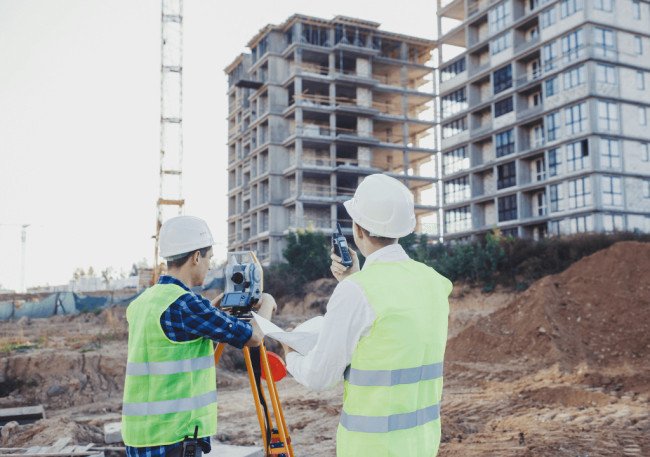
A building condition analysis is a detailed, top-to-bottom evaluation of a property's structural and mechanical health, covering the roof, exterior walls, foundation, drainage, and interior systems that affect long-term durability. For Long Island property owners, this type of assessment is the clearest way to understand what repairs are needed now, what can wait, and what a building will cost to maintain over the next five to ten years.
This matters more on Long Island than in many other regions. Coastal humidity, salt air, and seasonal nor'easters put steady stress on roofing systems, siding, and masonry, so problems that stay hidden in drier climates tend to surface faster here. A building condition analysis catches those issues early, before a small leak becomes a ceiling collapse or a cracked flashing seam becomes a mold problem behind drywall.
The sections below walk through what a building condition analysis includes, how residential and commercial evaluations differ, and what property owners should weigh before scheduling one.
What A Building Condition Analysis Actually Covers
A thorough assessment goes well beyond a quick walk around the property. Inspectors trained in forensic evaluation methods look at how different systems interact, since a problem in one area often explains damage somewhere else entirely.
Common areas covered include:
Roof inspection findings, including shingle wear, flashing condition, and ventilation
Structural framing and any signs of sagging, settling, or water intrusion
Exterior cladding, siding, and masonry joints
Gutters, downspouts, and grading around the foundation
Windows, doors, and seals where air and moisture can enter
Interior signs of moisture, such as staining, odor, or soft drywall
Each of these areas gets documented with photos and written notes, so property owners receive a record they can reference for insurance claims, resale negotiations, or planning future repairs.
Residential Versus Commercial Assessments
Homeowners and commercial property owners both benefit from a building condition analysis, but the scope and priorities differ. A single-family home usually needs a focused review of the roof, attic ventilation, and exterior envelope. A commercial building often involves a larger roof system, multiple HVAC units, drainage across a flat or low-slope surface, and code compliance questions tied to occupancy type.
A commercial roof inspection typically requires more time on site because flat and low-slope systems hide problems well. Ponding water, for example, can sit on a membrane for weeks without an obvious sign at ground level, quietly breaking down the seams underneath.
Why Long Island Properties Face Unique Wear
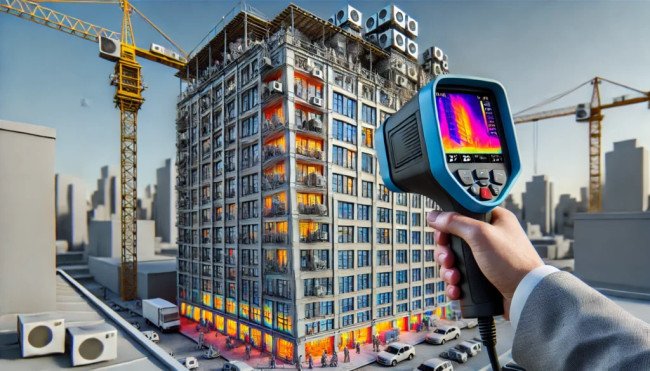
Coastal weather patterns shape how buildings age here in ways that differ from inland regions. Salt-laden air accelerates corrosion on metal flashing, fasteners, and HVAC components. Winter storms bring heavy, wet snow that stresses roof decking, while summer humidity keeps moisture trapped in attic spaces longer than in drier climates.
Bonus tip: Property owners with homes built before the early 2000s should pay close attention to attic ventilation. Many older Long Island homes were built with less insulation and airflow than current codes call for, which raises the risk of ice damming along the eaves during winter freeze-thaw cycles.
Local market data patterns support this concern. Roofing and exterior envelope failures remain among the top reasons Long Island homeowners file storm-related insurance claims each year, and many of those claims trace back to conditions that a routine building condition analysis would have flagged months earlier. Commercial property owners in the region also report that deferred roof maintenance is one of the most common reasons for unplanned capital expenses during lease renewal periods.
Things to Consider Before Making a Decision
Before scheduling a building condition analysis, property owners should think through a few practical points:
Age of the property. Buildings over 15 years old benefit from a full structural and roof review, not just a visual check.
Purpose of the report. A pre-sale evaluation, insurance documentation, and routine maintenance planning each call for slightly different levels of detail.
Certification of the inspector. Look for credentials tied to forensic roof inspection methods, since these evaluations require identifying root causes, not just surface damage.
Timing relative to weather events. Scheduling an inspection shortly after a major storm helps catch damage before it worsens.
Budget for follow-up repairs. A report is only useful if the property owner plans to act on the findings within a reasonable window.
Bonus tip: Ask whether the inspection includes drone or aerial imagery for steep or hard-to-access roof sections. This adds detail to the final report without added risk to the inspector walking the surface.
Common Questions Property Owners Ask
Property owners frequently want to know how long an inspection takes and whether they need to be present. Most residential evaluations take two to four hours depending on the size of the property, while commercial buildings can take longer based on roof square footage and the number of rooftop units. Owners do not need to be on site the entire time, though a brief walkthrough with the inspector at the start and end of the visit helps clarify any concerns in real time.
Another common question involves how often a residential roof inspection should happen. A general guideline is once every one to two years, with an additional check after any storm involving high winds, hail, or heavy snow accumulation.
Reading And Using The Final Report
A useful building condition analysis report does more than list problems. It should rank findings by urgency, separating issues that need immediate attention from those that can be scheduled into a longer-term maintenance plan. Photos should be labeled clearly enough that a contractor unfamiliar with the property can locate each issue without a second site visit.
Property owners planning a sale should request a report format that a buyer's inspector or lender will accept without needing a second evaluation. Commercial owners managing multiple properties often ask for a standardized format across buildings, which makes it easier to compare condition scores and prioritize capital spending across a portfolio.
Key Takeaways For Property Owners
A building condition analysis gives Long Island property owners a clear, documented picture of where their building stands and what needs attention before small problems turn into expensive repairs. Coastal weather, older housing stock, and seasonal storms all make regular evaluation more important here than in many other regions. Property owners should weigh the age of their building, the purpose of the report, and the inspector's credentials before scheduling an assessment, and should plan to act on the findings promptly once the report is in hand.
Get A Clear Picture Of Your Property's Condition
Property owners who want a documented, reliable read on their roof and building condition can reach out to RoofEval for a residential or commercial evaluation across Long Island and Florida. Their team includes an NRCIA Forensic Certified and CCPIA Certified inspector, along with veteran-owned business credentials, and they are available 24/7 for storm-related concerns. Property owners can call 516-262-2117 for New York properties or 954-228-0943 for Florida properties, or email team@roofeval.com to schedule an inspection and receive a detailed report suited to insurance, resale, or routine maintenance planning.
FAQs
How is a building condition analysis different from a standard home inspection?
A standard home inspection gives a general overview of a property's condition, often as part of a real estate transaction. A building condition analysis goes deeper into specific systems, particularly the roof and structure, and often includes forensic methods to identify the root cause of damage rather than just noting its presence.
How long does a typical assessment take to complete?
Residential properties usually take two to four hours on site. Commercial buildings vary more widely, ranging from half a day to a full day depending on roof size, number of buildings, and access requirements.
Can a building condition analysis help with an insurance claim?
Yes. Detailed documentation with dated photos and written findings gives insurance adjusters a clear record of pre-existing conditions versus new storm damage, which can support a smoother claims process.
How often should Long Island properties get reassessed?
Residential properties benefit from a review every one to two years, with additional checks after major storms. Commercial properties are often reviewed twice a year due to higher maintenance demands and lease or insurance requirements.
What credentials should property owners look for in an inspector?
Look for certifications tied to forensic roof inspection and commercial property inspection standards. These credentials indicate training in identifying underlying causes of damage, not just surface-level wear.














Comments
0 comment