
Best AI FMCG Maintenance Software for Growing D2C Brands Building Their Own Plants
When a growing direct-to-consumer (D2C) brand brings FMCG production in-house, it also takes responsibility for keeping its processing and packaging equipment running. This guide explains how to choose AI-powered FMCG maintenance software that fits a new plant’s needs, from scheduling preventive maintenance and managing spare parts to spotting recurring faults and preparing for additional production lines.

Best AI FMCG Maintenance Software for Growing D2C Brands Building Their Own Plants
A D2C skincare brand in Bengaluru spent years selling products made by contract manufacturers. Then orders grew, margins tightened and quality complaints began to hurt reviews. The founders decided to build their own plant.
On launch day, the new filling line ran beautifully. Three months later, it stopped for two days because of a worn gasket nobody had stocked. The customer-facing team was posting "back in stock soon" messages while the plant team searched for a vendor's phone number.
Owning a factory changes a D2C brand. The brand story now depends on machines, and machines need a memory.
From Outsourced to Owned: What Changes
When a brand outsources manufacturing, maintenance is someone else's headache. The contract manufacturer carries the risk of breakdowns, and the brand carries the risk of delays.
When the brand builds its own plant, that risk comes home. Every stoppage lands directly on customer promises, launch dates, influencer campaigns and marketplace ratings.
Many Indian D2C brands in beauty, nutrition, packaged foods and home care are now setting up their own units in places like Baddi, Sanand, Hosur and the NCR. They bring strong marketing and product skills. What they often lack is a plant culture, the quiet routines that keep machines healthy.
The Gaps New Plants Usually Have
Young plants are not careless. They are simply new, and a few predictable gaps appear.
Knowledge sits with a few hires
The first plant manager and one or two senior technicians hold most of the equipment knowledge. If one leaves, the history leaves with him.
Machines come from many suppliers
A single line may combine a filler from one OEM, a cartoner from another and a labeller from a third. Manuals, service contacts and spare lists end up scattered.
Spares are bought after the breakdown
Without history, nobody knows which parts wear first. Orders go out only when something fails.
Records start late
Maintenance notes begin in a notebook and stay there. By the time the plant scales to a second line, there is no reliable baseline.
What to Look for in the Best AI FMCG Maintenance Software
The best AI FMCG maintenance software for a young plant is not the one with the biggest feature list. It is the one that builds good habits from day one and grows as the plant grows.
Easy enough for a small team
A lean crew cannot spend hours on data entry. An offline-capable mobile app lets technicians log a fault or close a job at the machine, even in areas with weak network, and sync later.
A record for every machine from day one
Each asset gets a unique ID, specification, supplier details, manuals and calibration certificates. When the plant doubles, the structure is already in place.
Preventive plans that follow real use
Fast-growing plants change shifts and formats often. Preventive tasks tied to how machines are actually used keep attention where wear really happens. Predictive maintenance then flags assets drifting from their own normal behaviour, so a fix stays planned instead of urgent.
Honest visibility of stoppages
Every founder wants to know why the line stopped. Some teams look for downtime tracking software FMCG buyers can trust, but the useful part is simple: every stoppage logged with a cause, so repeat problems become visible within weeks instead of years.
Turning Early Records into a Competitive Edge
For a brand that sells on trust, maintenance data is more than an internal matter.
Spares and vendors that are ready
Linking spare parts inventory to maintenance history shows which gaskets, nozzles, belts and sealing parts are really consumed. A vendor portal helps outside engineers and OEM partners respond with context, which matters when machines come from several suppliers.
Calibration and audit confidence
Weighing scales, temperature controls and sensors need calibration, and retail partners and regulators ask for proof. When calibration schedules and certificates sit beside each asset, answers take minutes, not days. Document management keeps procedures and manuals current as new staff join.
Energy as a quiet signal
A filler or chiller drawing more power for the same output may be working harder than it should. Energy readings stored with maintenance records make that clue easier to notice.
Learning that scales
When a second line arrives, the first line's history shapes how it is set up. Growth then adds capacity without adding chaos.
Where PlantOps360 Fits
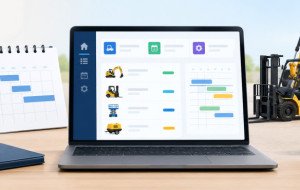
PlantOps360 is one example of AI-powered CMMS and EAM software that supports this way of working. It includes asset management, preventive and predictive maintenance, work orders, spare parts inventory, calibration, energy, document management, an offline mobile app and a vendor portal. The helpful idea is one shared record that a young plant can build on as it expands.
Practical Takeaways for D2C Founders Building Plants
-
Give every machine a unique ID and a complete record from the day it is installed.
-
Collect manuals, service contacts and spare lists for each supplier in one place.
-
Log every stoppage with a cause, even the short ones.
-
Record which spares get used and stock them before they are urgent.
-
Keep calibration dates for scales and sensors linked to each asset.
-
Review repeat faults monthly with production and quality together.
Conclusion: Build the Habit Before the Second Line
A D2C brand earns customer loyalty with every on-time delivery. In an owned plant, that reliability depends on how well machines are looked after long before they fail.
Start with your first line. Record its tasks, faults and spares for a few months, then use that history to guide your next investment. To see how the best AI FMCG maintenance software can support that routine in a growing plant, that is a practical place to begin.
Your brand was built on promises. Your plant is where they get kept.








Comments
0 comment