
Driving in Southern Morocco by Rental Car: Tips for International Visitors
Southern Morocco is one of those places that feels made for a road trip. The roads may be unfamiliar, traffic can be different from what you're used to, and some journeys take longer than they look on a map.

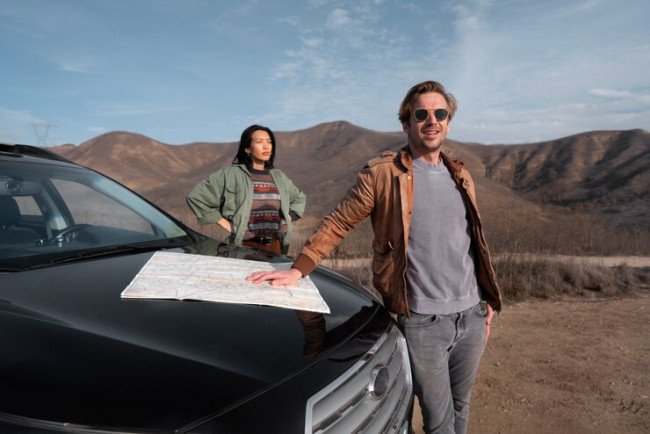
From the Atlantic coast around Agadir to the beaches of Taghazout, the landscapes around Taroudant, the Anti-Atlas, and the roads leading toward the desert, traveling by rental car gives you the freedom to see much more than you would from a tour bus or a fixed transportation schedule.
But if you're an international visitor, driving in a new country can feel a little intimidating at first.
The good news is that you don't need to be an expert in Moroccan driving to enjoy a road trip. With some preparation, patience, and common sense, you can make your journey much more comfortable.
Here are some practical tips to keep in mind before driving through Southern Morocco.
Why Explore Southern Morocco by Rental Car?
One of the biggest advantages of renting a car is flexibility.
Instead of following a fixed itinerary, you can decide where to stop and how long you want to stay.
You can spend the morning in Agadir, drive along the coast, stop in a small village for lunch, visit a beach, and continue your journey later in the day.
A rental car can be particularly useful if you're planning to visit several places during one trip.
Popular destinations and areas to explore include:
- Agadir
- Taghazout
- Tamraght
- Paradise Valley
- Taroudant
- Tiznit
- Mirleft
- Sidi Ifni
- The Anti-Atlas region
- Coastal areas south of Agadir
The right route depends on your interests, but having your own vehicle gives you more freedom to build your itinerary around them.
Is Driving in Southern Morocco Difficult?
For most experienced drivers, driving in Southern Morocco can be manageable.
However, it isn't exactly the same as driving at home.
In towns and cities, you may encounter scooters, pedestrians, taxis, bicycles, and busy intersections. Outside urban areas, you may find quieter roads, mountain curves, slower vehicles, or stretches where services are less frequent.
The most important thing is to adapt your driving to the environment.
Don't rush simply because another driver appears to be moving faster.
Take your time, maintain a safe distance, and pay attention to road signs.
Remember That Morocco Drives on the Right
Morocco uses right-hand traffic.
If you're from Europe or another country that drives on the right, this should feel familiar.
If you're from a country where vehicles drive on the left, take extra care when you first leave the rental location.
The first few hours are a good time to concentrate on basic things such as lane position, turns, intersections, and roundabouts.
After some practice, it should feel much more natural.
Choose a Rental Car That Matches Your Trip
You don't always need a large vehicle to explore Southern Morocco.
If you're mostly driving between cities and coastal destinations, a compact or economy car can be practical and easy to park.
If you're traveling with several people, carrying lots of luggage, or planning longer journeys, you may prefer something larger and more comfortable.
Before booking, think about your actual itinerary.
Ask yourself:
- How many people are traveling?
- How much luggage will you have?
- Will you drive mainly on paved roads?
- Are you planning mountain routes?
- Will you spend time in cities?
- Are you comfortable driving a manual car?
- Would an automatic transmission make your trip easier?
Choosing a vehicle that matches your needs can make a surprisingly big difference.
Inspect Your Car Before Leaving
Don't let excitement about starting your holiday make you skip the vehicle inspection.
Before driving away, walk around the rental car and check its condition.
Look for existing:
- Scratches
- Dents
- Bumper marks
- Wheel damage
- Tire issues
- Windshield chips or cracks
- Mirror damage
Take photographs or a short video of the vehicle.
If you notice existing damage that isn't mentioned in the rental documentation, inform the rental company before leaving.
Also check the fuel level and mileage.
A few minutes spent checking the car can give you much more peace of mind later.
Get Comfortable With the Car
If you've rented a vehicle you're not familiar with, spend a few minutes learning how everything works.
Check:
- Headlights
- Indicators
- Windshield wipers
- Air conditioning
- Parking brake
- Gear selector
- Mirrors
- Seat adjustment
- Fuel type
This is especially useful if you've rented an automatic car for the first time.
There's no reason to rush away from the pickup location before you understand the basics.
Plan Your Route Before Starting
Southern Morocco covers a large area, and some destinations are farther apart than they may appear on a map.
Before leaving, check your route and estimate how long the journey will actually take.
Look for:
- Fuel stations
- Rest stops
- Food options
- Mountain sections
- Possible roadworks
- Your accommodation
- Alternative routes
Navigation apps are extremely useful, but don't depend on them blindly.
A route that looks short may involve slower roads or difficult terrain.
Don't Underestimate Driving Times
One of the easiest mistakes for international visitors is trying to fit too much into one day.
A journey may look manageable on a map, but stops, traffic, road conditions, and sightseeing can quickly add hours.
Instead of planning six different stops in one day, choose a few places you genuinely want to enjoy.
A relaxed road trip is usually much more enjoyable than constantly checking the clock.
Coastal Roads Can Be Beautiful
The coastline around Southern Morocco offers some memorable driving experiences.
The area around Agadir, Taghazout, Tamraght, and further south provides opportunities to combine road travel with beaches, viewpoints, cafés, and small coastal communities.
If you're driving along the coast, don't be afraid to stop.
One of the advantages of having a rental car is that you don't have to stay on a strict schedule.
Just make sure you park safely and legally and don't leave valuable belongings visible inside the vehicle.
Be Careful on Mountain Roads
Southern Morocco also includes mountainous and hilly areas.
Roads through the Anti-Atlas and other mountainous regions can include curves, elevation changes, narrow sections, and slower traffic.
Take these roads slowly.
Don't feel pressured to maintain the speed of another driver, particularly if you don't know the road.
If the weather changes, reduce your speed even further.
Mountain driving can be beautiful, but it requires concentration.
Watch for Animals and Unexpected Obstacles
Outside cities, you may occasionally encounter animals near or on the road.
You might also come across pedestrians, bicycles, agricultural vehicles, or other slow-moving traffic.
Keep your eyes far ahead and reduce your speed when visibility is limited.
This is particularly important around villages and rural areas.
Be Careful With Scooters in Towns
When you enter a town, the driving environment can change quickly.
Scooters and motorcycles are common, particularly around busy streets and commercial areas.
They can move through traffic differently from cars, so check your mirrors carefully before changing lanes or turning.
Avoid sudden movements and leave enough space around your vehicle.
Parking in Smaller Towns
Parking can be easier in smaller towns than in major tourist cities, but you should still pay attention to local signs and restrictions.
If you're unsure where to park, ask your accommodation or a nearby business for guidance.
When parking for sightseeing, avoid leaving luggage, cameras, laptops, or other valuables visible in the vehicle.
It's a simple precaution that makes sense anywhere you travel.
Keep Your Fuel Tank in Mind
Don't wait until the fuel warning light appears before thinking about your next fuel stop.
If you're heading into a rural or less populated area, check your fuel level beforehand and plan accordingly.
This is particularly important when you're traveling long distances.
Before your trip, also make sure you know whether your rental car uses petrol or diesel.
If you're unsure, ask the rental company.
Carry Water for Longer Journeys
For longer road trips, carrying water is a simple but useful habit.
You may also want to keep a few snacks in the vehicle, particularly if you're traveling with children.
A phone charger or power bank can also be useful because your phone may be important for navigation and communication.
The idea isn't to overpack—just make sure you have a few basic essentials before leaving a larger town.
Driving at Night
International visitors who don't know the roads may find daytime driving more comfortable.
At night, visibility is reduced, and it can be harder to spot pedestrians, cyclists, animals, road obstacles, or unexpected changes in the road.
If you're planning a long journey through unfamiliar rural or mountain areas, consider starting earlier so that most of the drive takes place during daylight.
If you need to drive at night, slow down and stay especially attentive.
Understand Your Rental Agreement
Before leaving with your rental car, make sure you understand the important parts of your agreement.
Pay attention to:
- Insurance coverage
- Excess or deductible
- Security deposit
- Fuel policy
- Mileage restrictions
- Additional drivers
- Late-return rules
- Driving restrictions
- Breakdown assistance
- Accident procedures
Don't be afraid to ask the rental company to explain anything you don't understand.
It's much easier to clarify the details before starting your journey than after a problem occurs.
What About Insurance?
Rental insurance can vary depending on the company and package you've selected.
Don't assume that every type of damage is automatically covered.
Before driving, find out what your agreement says about collision damage, theft, tires, wheels, glass, keys, and other exclusions.
Understanding the excess or deductible is particularly important.
The exact terms of your rental agreement should always take priority over general advice.
Keep the Rental Company's Contact Details
Save the rental company's phone number before you start your road trip.
If you have a mechanical problem, warning light, accident, or another issue with the rental vehicle, you'll know who to contact.
If possible, keep your rental agreement accessible as well.
Being prepared doesn't mean expecting something to go wrong. It simply means you'll know what to do if it does.
Navigation Tips for International Visitors
Navigation apps can make exploring Southern Morocco much easier.
Before starting the vehicle:
- Enter your destination.
- Check the suggested route.
- Look at the approximate driving time.
- Identify major stops.
- Check where you'll refuel.
- Save your accommodation location.
- Download offline maps when appropriate.
Don't use your phone in your hand while driving.
If you need to change the route, pull over somewhere safe before doing so.
Don't Try to Drive Like a Local
This may be one of the most useful pieces of advice for first-time visitors.
You don't need to imitate the driving habits of people around you.
Drive according to the road conditions and your own comfort level.
If traffic seems confusing, slow down.
If you're unsure about a turn, take your time.
If a road feels difficult, don't be afraid to reduce your speed.
Your goal is to arrive safely and enjoy the journey—not to prove how quickly you can get somewhere.
Take Regular Breaks
Southern Morocco offers plenty of reasons to stop, but even if you're focused on reaching your destination, take breaks during longer journeys.
Get out of the car, stretch your legs, drink some water, and rest your eyes.
If you're traveling with another authorized driver, you may be able to share the driving depending on the rental agreement.
Never continue driving if you're too tired to concentrate properly.
What to Do If You Have a Problem
If your rental car develops a problem, don't panic.
If possible, move the vehicle to a safe location and turn on the hazard lights.
Then contact your rental company and follow the instructions provided in your agreement.
If you're involved in an accident, prioritize everyone's safety and follow the appropriate local and rental-company procedures.
Take photographs of the situation when it is safe to do so.
The important thing is to remain calm and communicate with the rental company.
A Simple Checklist Before Your Road Trip
Before heading out into Southern Morocco, make sure you have:
☐ Valid driving documents
☐ Rental agreement
☐ Insurance information
☐ Rental company's contact number
☐ Vehicle inspection completed
☐ Photos of existing damage
☐ Correct fuel type confirmed
☐ Fuel level checked
☐ Navigation route prepared
☐ Accommodation location saved
☐ Water and basic snacks
☐ Phone charger
☐ Enough time for breaks
This simple checklist can make your journey much more relaxed.
Final Thoughts
Driving through Southern Morocco by rental car can be an excellent way for international visitors to experience the region at their own pace.
You can travel from the Atlantic coast to mountain landscapes, stop in smaller towns, discover beaches, and explore places that may be difficult to reach on a fixed itinerary.
The most important thing is preparation.
Choose a vehicle you're comfortable with, inspect it before leaving, understand your rental agreement, plan your fuel stops, and don't rush.
Southern Morocco is best enjoyed when you have time to look around.
So take the scenic route when appropriate, stop when something catches your attention, and give yourself enough time to enjoy the journey—not just the destination.
Company Profile : Rent fastly
Company information
Company name : Rent fastly
Address :
- Street Number and Name : Aéroport Al Massira
- City : Agadir
- Postal Code: 86603
- Country : Morocco
Phone :+212663077524
Email Address : booking@rentalcaragadir.ma
Site Web : clic here













Comments
0 comment