
10 Best Car Diagnostic Test Insights for Safer and Smarter Vehicle Maintenance
This is where a car diagnostic test can be particularly useful. Instead of relying only on symptoms such as warning lights, unusual noises or poor performance,

10 Best Common Problems That a Car Diagnostic Test Can Help Detect
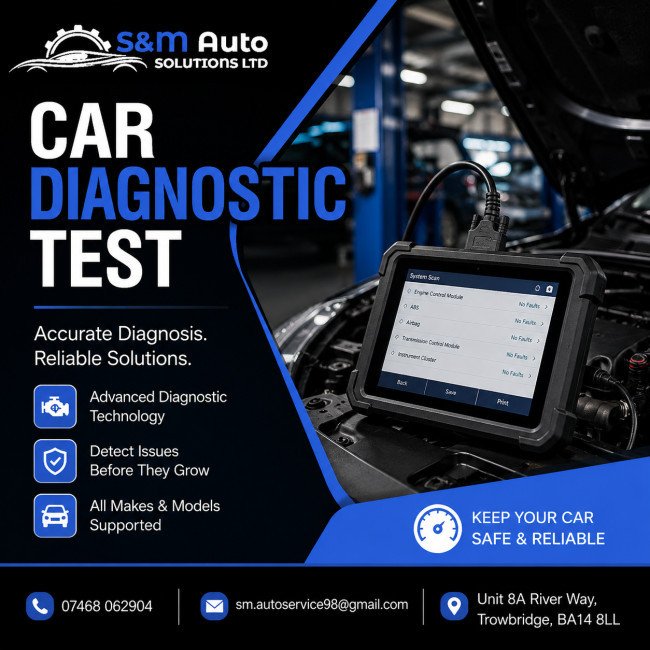 Modern vehicles are more dependent on electronic systems than ever before. From engine management and fuel injection to anti-lock braking systems, airbags and emissions controls, hundreds of sensors and electronic components can work together to keep a vehicle operating safely and efficiently. When one of these systems develops a fault, the problem may not always be immediately visible.
This is where a car diagnostic test can be particularly useful. Instead of relying only on symptoms such as warning lights, unusual noises or poor performance, diagnostic equipment can communicate with a vehicle’s electronic control systems and identify stored fault information.
For UK motorists, understanding how vehicle diagnostics work can make it easier to respond to warning signs, avoid unnecessary repairs and maintain a vehicle properly.
What Is a Car Diagnostic Test?
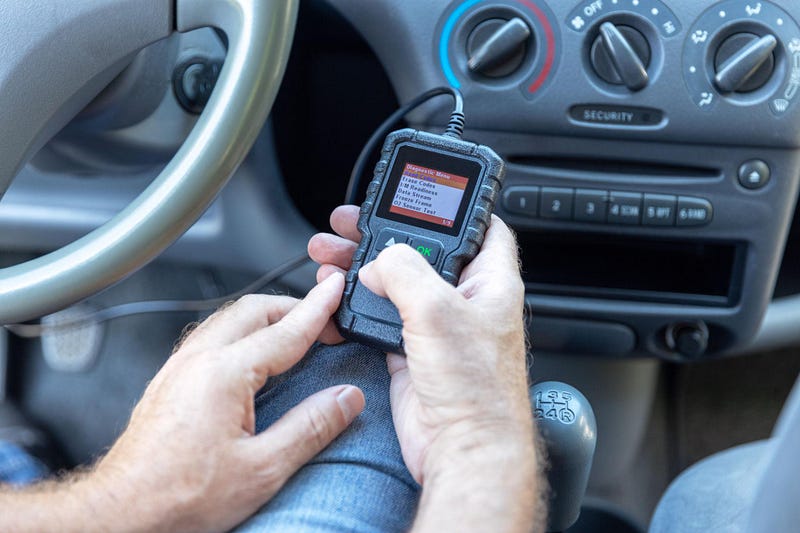
A car diagnostic test uses specialist electronic equipment to communicate with a vehicle’s onboard computer systems. Most modern cars use an OBD (On-Board Diagnostics) system that monitors numerous functions and records fault codes when certain problems are detected.
During a diagnostic assessment, a technician can connect suitable equipment to the vehicle and retrieve relevant information. Depending on the vehicle and diagnostic system, this may include fault codes associated with areas such as:
- Engine management
- Transmission and gearbox systems
- ABS and braking electronics
- Airbag and restraint systems
- Emissions and exhaust systems
- Electronic steering
- Battery and charging systems
- Sensors and control modules
A diagnostic code is not necessarily a complete diagnosis by itself. It usually provides a useful starting point for further investigation. An experienced technician can interpret the code alongside the vehicle’s symptoms, inspection results and live data.
This distinction is important because replacing a component simply because a fault code mentions it may not always solve the underlying problem.
When Should Drivers Consider Vehicle Diagnostics?
Many drivers search for a car diagnostic test Near Me after a dashboard warning light appears. However, diagnostics can also be useful before a problem becomes more serious.

Common situations where testing may be appropriate include:
Warning lights
An illuminated engine management, ABS, airbag or other electronic warning light should not automatically be ignored. Some warning lights indicate relatively minor issues, while others can signal faults that require prompt attention.
A diagnostic scan can help establish which system has registered a fault.
Changes in vehicle performance
Problems such as poor acceleration, rough idling, increased fuel consumption, difficulty starting or unexpected stalling can have several possible causes. Electronic diagnostics can help narrow down the possibilities.
Intermittent faults
Some vehicle problems appear and disappear, making them difficult to reproduce during a short inspection. Stored fault information and live diagnostic data can sometimes provide valuable clues even when the symptom is not currently present.
Before purchasing a used car
A diagnostic assessment can form part of a broader used-car inspection. It may reveal stored fault codes or electronic issues that are not immediately obvious during a test drive.
It should not replace a physical inspection, service-history check or road test, but it can provide another layer of information when assessing a vehicle.
After repairs
Diagnostics can also be useful after repair work. Depending on the fault, testing may help confirm whether a system is operating correctly or whether additional investigation is required.
Understanding the Difference Between a Scan and a Diagnosis
One of the most important points for motorists to understand is that a diagnostic scan and a full diagnosis are not always the same thing.

A scan may produce a code such as a sensor-related fault. That does not necessarily mean the sensor itself has failed. Wiring, connectors, power supply, software, another mechanical problem or a related component could potentially cause the same code.
A proper diagnostic process therefore involves more than simply connecting a machine.
A technician may:
- Identify the vehicle and relevant electronic control systems.
- Scan for stored or pending fault codes.
- Review available live data.
- Compare the findings with the driver’s reported symptoms.
- Carry out relevant physical or electrical checks.
- Determine the likely root cause.
- Recommend appropriate repair or further testing.
This approach can reduce the risk of replacing parts unnecessarily.
For motorists looking for a car diagnostic test UK services can vary considerably in terms of equipment, vehicle coverage and diagnostic expertise. Asking what type of diagnostic equipment is used and whether the service includes interpretation of the results can help drivers understand what they are paying for.
Common Diagnostic Challenges and Practical Solutions
Vehicle diagnostics can be extremely useful, but there are several common misconceptions.
“The fault code tells me exactly what needs replacing.”
Not necessarily. Fault codes identify a condition detected by a vehicle’s electronic systems. Further testing is often required to establish the root cause.
Practical solution: Treat the code as evidence rather than a final answer.
“There is no warning light, so diagnostics are unnecessary.”
Some problems may not immediately trigger a dashboard warning. Intermittent faults and certain mechanical issues may also require other forms of inspection.

Practical solution: If a vehicle develops unexplained changes in performance, have the symptoms assessed rather than waiting for a warning light.
“Clearing the code fixes the problem.”
Clearing a fault code removes or resets stored information; it does not necessarily repair the underlying fault. If the problem remains, the code may return.
Practical solution: Identify and address the cause before assuming the vehicle is repaired.
“Every diagnostic machine provides the same information.”
Different tools have different capabilities. Basic code readers may provide limited information, while professional equipment can offer wider vehicle coverage, manufacturer-specific functions and live data.
Practical solution: Use equipment appropriate for the make, model, age and electronic systems of the vehicle.
The Growing Importance of Diagnostics in Modern Vehicles
Vehicle technology continues to evolve. Hybrid and electric vehicles, advanced driver-assistance systems, increasingly sophisticated emissions controls and connected vehicle technologies are changing the role of automotive diagnostics.
Modern diagnostic work may involve electronic control units, communication networks, sensors and software as well as traditional mechanical components.
This means technicians increasingly need a combination of mechanical knowledge, electrical understanding and diagnostic expertise.
For consumers, this trend also highlights why choosing a repair provider based solely on a low-cost scan may not always provide the most useful outcome. The value lies in accurately interpreting information and connecting electronic findings with the vehicle’s physical condition.

In Trowbridge and surrounding areas, motorists researching car diagnostic Trowbridge services can consider providers such as S&M Auto Service when they need diagnostic assessment and guidance on potential vehicle faults. Their dedicated information page provides further context about car diagnostic testing and related services.
How Drivers Can Prepare for a Diagnostic Appointment
A few simple steps can make diagnostic testing more productive.
Before taking the vehicle in, note:
- When the problem first appeared
- Whether it happens when the engine is cold or warm
- Any warning lights displayed
- Unusual noises, smells or vibrations
- Changes in fuel consumption
- Recent repairs or maintenance
- Whether the problem is constant or intermittent
- Any circumstances that make the issue better or worse
These details can help the technician understand the symptoms and interpret diagnostic information more effectively.
It is also useful to avoid making assumptions about the failed component. Describing the symptoms objectively gives the technician more freedom to investigate the actual cause.

Final Thoughts
Electronic diagnostics have become an important part of modern vehicle maintenance in the UK. A diagnostic scan can provide valuable information about faults within engine management, braking electronics, safety systems, emissions controls and other vehicle systems.
However, the most useful diagnostic process combines electronic testing with professional interpretation and, where necessary, physical inspection. A fault code should be viewed as a clue rather than an automatic instruction to replace a particular part.
For motorists, the key takeaway is simple: when a vehicle develops unexplained symptoms or warning lights, obtaining accurate information early can make fault-finding more efficient and help prevent small problems from developing into larger ones.
Used appropriately, automotive diagnostics are not simply about finding a code. They are about understanding what that information means and using it to make better decisions about vehicle maintenance and repair.
Read More :
https://talvixo.com/best-10-tips-for-timing-belt-replacement-trowbridge/














Comments
0 comment